Training
-
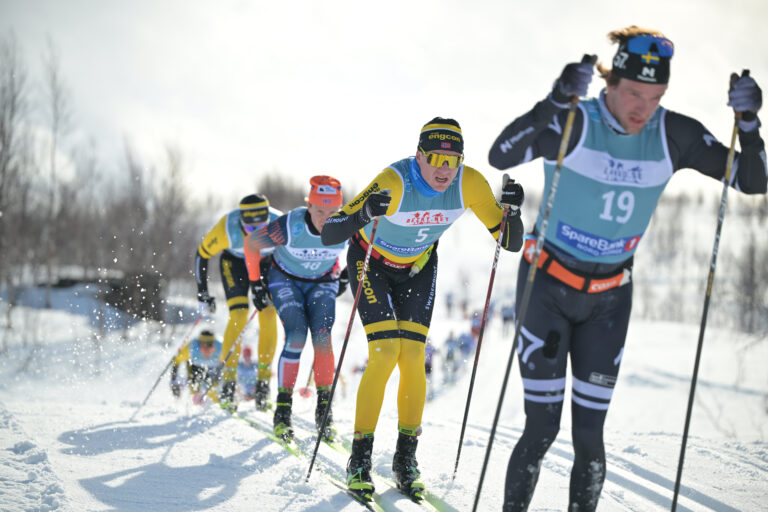
Training at altitude: a double-edged sword, but effective – how to maximize its benefits
Are you looking to improve your physical fitness by training at higher altitudes, or planning to log your first kilometers on skis this season in one of the Alpine resorts? If so, do you understand the changes happening in your body, how to properly plan your training, and what mistakes to avoid?16.10.2026


Most read
-
-
14.09.2026
-
06.03.2026
-
16.09.2026
-



more articles
-
Basic elements of cross-country ski training
For readers of Proxcskiing.com, cross-country skiing, and particularly long-distance skiing, holds a special place in the heart.
08.10.2026 -
Lactate, thresholds, acidosis: What skiers need to know about their bodies
After a race, elite athletes mention that they were so "acidified" that they had to slow down. What is happening in the body at that moment — and, more importantly, how can we prevent it?
07.10.2026 -
Optimize your V2 Alternate: Technique for speed and power in skate skiing
V2 Alternate is ideal for slight uphill or when you want to push with extra power. Learn how to get maximum speed with the right timing and pole pressure.
29.09.2026 -
How to master double poling with kick – Tips for better roller ski technique
Double poling with kick combines the power of the legs with the arms and core. In this video, you will learn the technique that helps you move forward both faster and more efficiently.
28.09.2026 -
From the mountains to the beach: the resort that not only the biathlon elite fell in love with
Are you looking for the perfect place for high-altitude training that combines excellent training conditions with a family atmosphere and the option to escape to the sea or catch a football match in Barcelona?
27.09.2026 -
Skiers embrace new trend: “Of course it’s interesting”
The trend has grown among cyclists, and now skiers are following suit.
-
Autumn training: How to avoid getting sick
The arrival of autumn brings back dampness and cold weather, ideal conditions for the spread of viruses. Whether you’re a competitive athlete or a recreational one, it’s important to protect yourself as you prepare for the final months leading up to winter.
23.09.2026 -
How to master V1 – the technique for uphill skating
V1 is used on steep inclines where power and rhythm are crucial. Learn the technique that helps you climb with better flow and less energy loss.
23.09.2026 -
How to improve your diagonal striding technique
Diagonal striding is the foundation of classic cross-country skiing. Here you’ll get clear tips on becoming more relaxed, powerful, and efficient – regardless of your level.
22.09.2026 -
Five training sessions to develop your double poling technique
Five training sessions designed to help you develop and improve your double poling across skiing, roller skiing, and the gym.
21.09.2026